
Commercial operators often compare electric and gas transportation options when planning property mobility solutions. The decision involves more than purchase price, as energy costs, maintenance requirements, operating conditions, and vehicle performance all affect long-term value. This article examines key differences between electric utility vehicles and gas alternatives.
Energy Systems And Operation Differences Between Vehicle Types
Power systems create major differences between electric and gas utility vehicles. An electric utility vehicle uses battery power for operation, while gas models depend on fuel engines. These systems influence daily operating procedures, energy management, noise levels, and maintenance expectations.
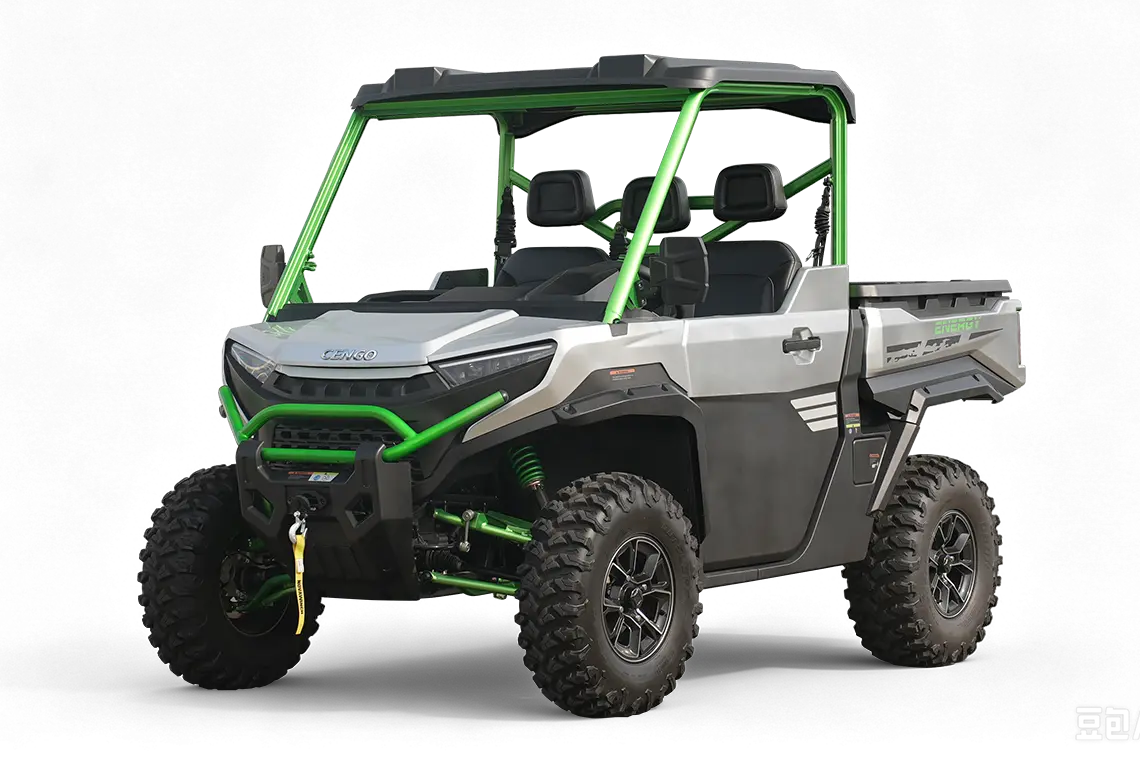
Electric models are designed for businesses requiring practical transportation across properties, facilities, and outdoor environments. CENGO provides utility vehicles with electric power options that support applications requiring efficient movement, cargo transportation, and passenger mobility across different commercial locations.
Gas utility vehicles remain familiar in many industries because fuel availability supports continuous operation. However, operators must consider fuel storage, engine servicing, and regular mechanical inspections when managing transportation fleets across large properties.
Battery-powered utility vehicles provide quiet and efficient operation compared with traditional engine-powered vehicles, making them suitable for resorts, campuses, hospitality facilities, and recreational properties where minimizing noise and supporting daily transportation needs are important.
Cost Comparison For Commercial Fleet Operations
Initial investment is one factor businesses review when comparing transportation solutions. Gas vehicles may appear attractive because of established technology, while electric models can offer different financial advantages through energy usage and maintenance planning over extended operating periods.
Energy expenses directly influence fleet budgets. An electric utility vehicle relies on charging infrastructure instead of fuel consumption, allowing operators to evaluate electricity costs alongside their regular transportation schedules and property requirements.
Maintenance expenses are another important difference between vehicle types. Electric systems generally have fewer mechanical components related to engine operation, while gas vehicles require attention to fuel systems, engine parts, and other traditional maintenance areas.
CENGO offers different utility vehicle configurations designed for commercial users. We help organizations evaluate vehicle specifications and application needs when developing transportation solutions for resorts, facilities, communities, and other professional environments.
Maintenance Requirements And Service Considerations
Fleet reliability depends on proper maintenance planning. Electric vehicles require attention to battery systems, charging equipment, tires, and general components, while gas vehicles involve additional engine-related service procedures that can affect operational schedules.
Battery care plays an important role in electric vehicle performance. Operators should follow recommended charging practices and review usage patterns to maintain consistent operation throughout the expected service period.
Gas utility vehicles require routine engine maintenance, including checks associated with fuel-powered systems. These procedures may create additional service requirements for businesses managing multiple vehicles across large locations.
For organizations operating utility vehicles in commercial environments, maintenance planning should match daily workload. Resorts, Commercial facilities, and public areas need transportation solutions that support reliable movement while reducing unnecessary service interruptions.
Performance Factors For Different Applications
Vehicle performance depends on the working environment, transportation distance, and operational requirements. Electric and gas systems provide different characteristics that influence acceleration, operating comfort, energy management, and suitability for various commercial tasks.
Electric utility vehicles are one option for locations that require organized transportation within defined areas. Golf courses, hotels, and campuses may consider different vehicle solutions based on factors such as passenger capacity, route conditions, operating requirements, and facility management needs. These vehicles can be configured to support the movement of passengers, equipment, and supplies across various commercial environments.
Gas-powered vehicles may provide advantages for certain operations requiring extended fuel availability. Businesses should review terrain, workload, and access to charging resources before deciding which power system matches their operational conditions.
CENGO develops utility vehicles with practical features for commercial applications, including cargo transportation and passenger movement. We support businesses reviewing different vehicle solutions based on their specific site requirements and usage expectations.
Total Cost of Ownership and Long-Term Fleet Planning
Long-term fleet planning requires a complete review of operational priorities. Businesses should consider purchase costs, energy expenses, maintenance needs, and vehicle usage frequency when comparing electric and gas transportation solutions.
An electric utility vehicle can support organizations seeking efficient transportation for short-distance routes and regular property operations. Hotels, resorts, and corporate campuses may evaluate these vehicles according to their daily mobility requirements.
Gas utility vehicles may remain suitable for users with specific fuel access advantages or operating conditions. The right solution depends on practical factors such as location, transportation patterns, and available infrastructure.
Commercial buyers should review vehicle capabilities alongside business goals. A detailed assessment of power systems, maintenance expectations, and operating environments helps create a more suitable fleet strategy for long-term transportation management.
Conclusion
Electric and gas utility vehicles provide different advantages for commercial applications. Businesses can compare energy usage, maintenance needs, and performance requirements before making investment decisions. CENGO provides electric utility vehicle solutions designed for professional users, supporting practical mobility needs with adaptable configurations and commercial-focused designs.
Post time: Sep-03-2026


