
Winter weather can be tough on your golf cart, but with a little extra care, you can keep it running smoothly through the colder months. This simple guide will show you the best practices for daily use, long-term storage, and getting your cart ready for spring.
1. Daily Use & Maintenance Tips
Start Slowly & Drive Gently
Cold temperatures can make your golf cart’s battery lose power faster than usual. To protect it, always start with a gentle drive. Keep your speed under 10 km/h for the first few minutes to help warm up the battery. This gives it time to stabilize and helps maintain battery life and performance.
Keep Your Cart Dry & Warm
● Pre-ride Check: Before you head out, do a quick walk-around. Check your tires for the right pressure and look for any obvious damage. A quick inspection can save you from bigger issues later.
● Avoid Hard Driving: Try to avoid quick starts, hard stops, and sharp turns. These can put a strain on the battery and motor, and even cause damage over time. A smoother ride will help protect your cart’s vital components.
● Plan Your Trip: In the cold, your cart’s range will be reduced. Plan shorter routes to avoid running out of charge unexpectedly, and keep a close eye on the battery level.
● Watch Out for Water: It’s best to avoid driving through puddles or deep snow. Water can cause short-circuits or accelerate rust in your motor and other parts.
Charge After Every Use
Once your ride is over, plug in the charger as soon as you can. Charging while the battery is still warm helps improve efficiency and extends its lifespan. Just be sure the charging area is dry and clean to avoid any issues.
2. Long-Term Storage (More than 1 Month)
Clean and Dry Your Golf Cart
Before you store your cart for a while, give it a good cleaning:
● Wash the Exterior: Give the cart a thorough wash to remove dirt, bird droppings, or anything else that could cause damage or corrosion over time.
● Underbody Care: Rinse off any salt or debris from the undercarriage, wheels, and suspension. If you live in an area that uses road salt, this step is especially important to prevent rust.
● Drying: After washing, drive your cart around for 20-30 minutes. The heat generated by the motor and brakes will help dry out any water that’s stuck in hard-to-reach places.
Protect the Battery
● Lithium Batteries: Charge your battery to about 50-80% before storage. Never store it with less than 50% charge. Disconnect the main power connections and cover the terminals to keep out dust and moisture.
● Lead Acid Batteries: Charge the battery fully to 100%, and if it’s a non-maintenance-free battery, check the fluid levels. Add distilled water if needed, and disconnect the negative terminal to prevent slow drainage.
Tires & Moving Parts Care
● Tires: Inflate your tires to the recommended pressure or even slightly higher. This prevents flat spots from forming when the cart sits idle for a while.
● Lubricate: Spray a small amount of lubricant on metal moving parts like the door hinges, steering joints, and suspension to prevent rust.
3.Springtime Re-Activation
Warm Up Gradually
When it’s time to get your golf cart out for the spring, it’s important to let it warm up slowly. Bring the cart indoors to a room temperature environment (around 15-25°C) for at least 24 hours. This avoids condensation from forming inside sensitive parts, which could cause short circuits or damage.
Check & Reconnect the Battery
Once your cart is warm:
● Lithium Battery: Reconnect the battery monitoring system (BMS) connections, and check that the individual cells have consistent voltage. This ensures the battery is ready to go.
● Lead Acid Battery: Check that the battery terminals are clean, and reconnect everything securely. For non-maintenance-free batteries, also check the fluid levels.
Test Run
Before you head out, take your cart for a short test drive to make sure everything’s working properly:
● Brakes: Test the brakes to ensure they’re responsive and there are no strange noises.
● Steering: Do a quick turn to check that the steering feels smooth and doesn’t make any unusual sounds.
● Power: Make sure the motor is running smoothly without any jerking or unusual vibrations.
● Electronics: Double-check all lights and electrical systems to ensure they’re functioning correctly.
Conclusion
With these simple winter maintenance steps, you can keep your golf cart running smoothly throughout the colder months and ensure it’s ready for spring. Taking care of your cart not only extends its lifespan but also keeps you enjoying smooth rides whenever you need it.
If you’re looking for a high-quality golf cart that’s built to last, look no further than CENGO. With over 10 years of experience in designing and manufacturing top-tier golf carts, we’re committed to providing reliable, durable vehicles that can stand up to any season.
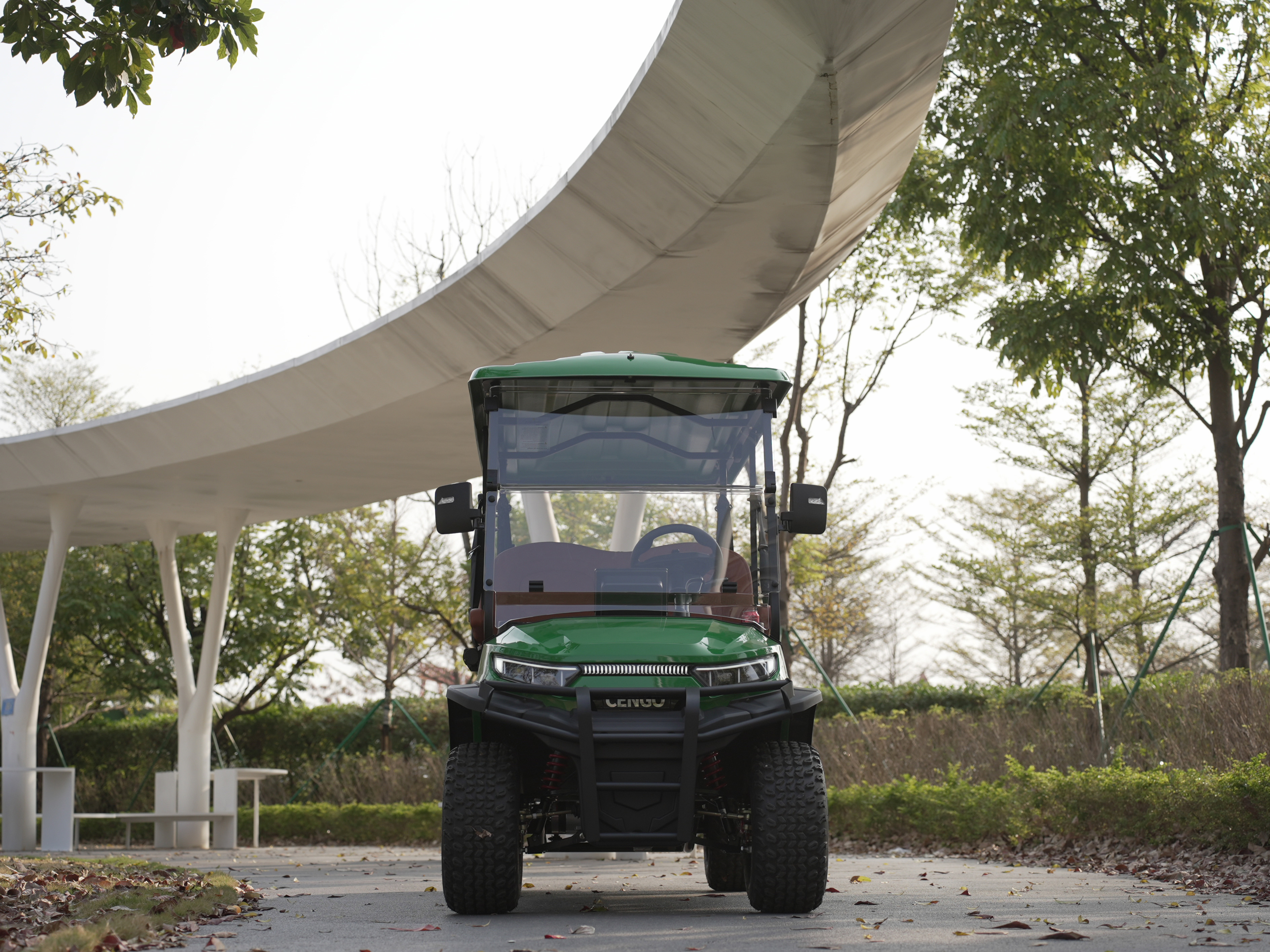
Check out our full range of golf carts at CENGO.
Post time: Dec-05-2025


