
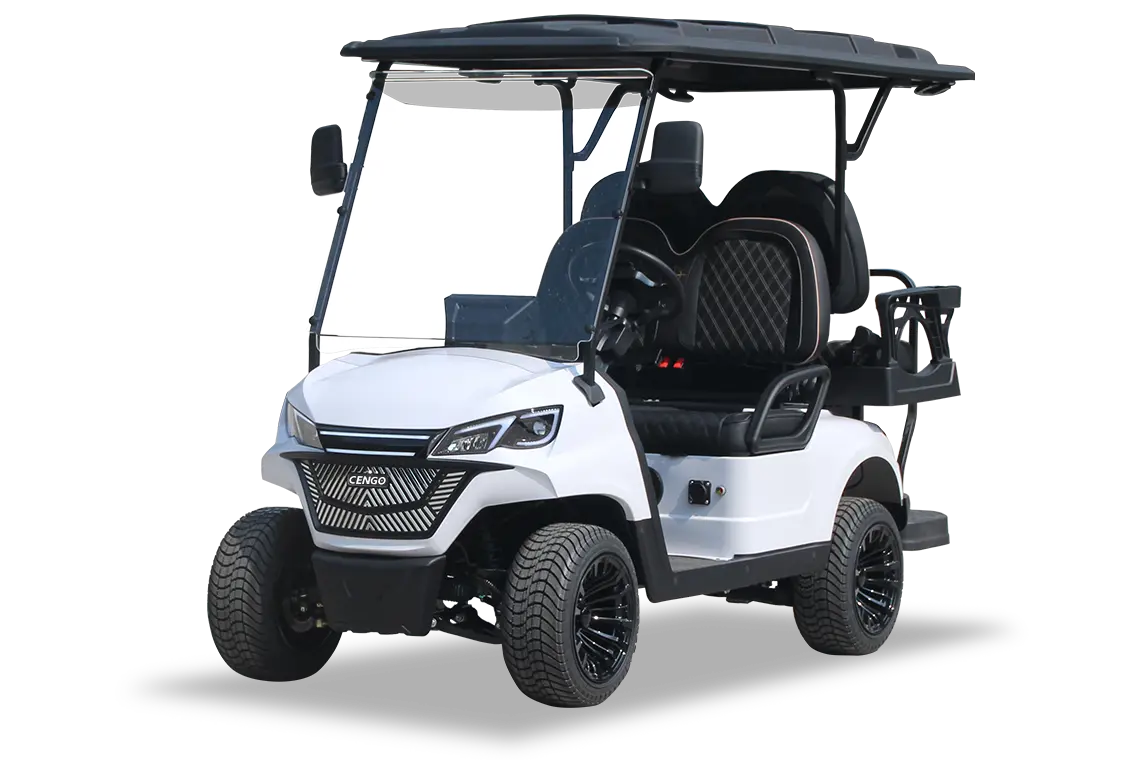
Electric golf vehicles are widely used across golf courses, resorts, hotels, communities, and commercial properties. However, many buyers still wonder about the difference between an electric golf cart and a Low-Speed Vehicle (LSV). Understanding their functions, applications, and design purposes helps businesses select suitable transportation options.
Understanding the Basic Difference Between Golf Carts and LSVs
The main difference between golf carts and LSVs relates to their intended operating environments. Golf carts are commonly designed for private areas such as golf courses, resorts, and communities, while LSVs are developed for locations where additional road-related requirements may apply.
Traditional golf carts focus on short-distance transportation within controlled spaces. They are often used to move golfers, guests, employees, and maintenance teams around properties. Their design usually emphasizes convenience, simple operation, and mobility across private roads, pathways, and recreational areas.
LSVs generally include additional features that support operation in specific low-speed road environments. Compared with standard golf carts, these vehicles may include equipment and configurations intended for broader transportation applications where local regulations permit their use.
When businesses compare electric golf carts with LSVs, the decision should begin with the operating environment. Golf courses, resorts, and private communities may have different transportation needs compared with public-facing locations or larger commercial properties requiring expanded mobility options.
Comparing Design Features and Usage Scenarios
Golf carts are often associated with recreational and hospitality applications because they provide convenient transportation around properties. Golf clubs use them for player movement, while resorts and hotels may use them for guest transportation between accommodations, restaurants, and activity areas.
Electric golf carts can support commercial operators that need quiet and efficient transportation within private facilities. Their applications include moving visitors, staff members, and equipment across designated areas where compact mobility and operational convenience are important factors.
LSVs are typically considered when businesses require vehicles with additional road-oriented functions. They may suit environments such as planned communities, commercial campuses, or locations where transportation routes extend beyond traditional private property areas.
The choice between these vehicle types depends on property requirements, travel distance, and operating conditions. Facility managers should review how vehicles will be used daily instead of focusing only on appearance or general similarities between different electric transportation options.
Evaluating Transportation Needs for Commercial Properties
Golf course managers often prioritize vehicles that support player services, course operations, and internal transportation. Resorts and vacation properties may focus more on guest convenience, service efficiency, and movement between different facilities across large hospitality areas.
Hotels and resort operators need transportation solutions that match their customer experience goals. A suitable vehicle should support regular movement while maintaining comfort and practicality for visitors, employees, and service teams working throughout the property.
Industrial facilities and corporate campuses may compare golf carts and LSVs according to internal transportation requirements. These locations often need vehicles for employee movement, equipment support, and short-distance travel between buildings or operational zones.
We provide electric vehicle solutions through CENGO for golf courses, resorts, hotels, communities, and commercial environments. Our products include electric transportation options designed for organizations seeking practical mobility solutions based on different property conditions and operational needs.
Selecting the Right Option for Different Applications
A golf course may prefer a golf cart because daily operations usually involve controlled routes, player transportation, and course-based movement. Resorts may also benefit from similar vehicles because they support guest services across private areas without requiring complex transportation systems.
Public infrastructure managers may have different requirements when evaluating transportation vehicles. Airports, railway stations, and municipalities may review vehicle categories based on operational areas, passenger movement needs, and applicable usage conditions within their facilities.
Electric golf carts and LSVs serve different purposes, so businesses should compare their advantages according to specific applications. Reviewing passenger capacity, operating locations, and transportation frequency helps managers identify solutions that align with their facility requirements.
CENGO focuses on providing electric mobility products for commercial users across different industries. We support customers by offering product information and vehicle options that help organizations review suitable transportation choices for golf facilities, hospitality properties, and other professional environments.
Making an Informed Vehicle Comparison
The difference between golf carts and LSVs is not simply about vehicle appearance. The key factors include where the vehicle operates, what transportation tasks it performs, and which features are necessary for the intended application.
Commercial buyers should evaluate their property layout, daily transportation patterns, and service expectations before making decisions. A vehicle designed for a golf course may not provide the same advantages as one intended for broader transportation environments.
Electric transportation continues to serve a broad range of industries with specific mobility requirements. Golf courses, resorts, hotels, and communities each face distinct operational goals and facility constraints — making vehicle selection a critical factor in aligning transportation resources with actual needs.
CENGO provides electric golf vehicle products designed for commercial applications, helping organizations review mobility solutions for different environments. We work with businesses seeking practical transportation options that support daily operations across recreational, hospitality, and community locations.
Understanding the difference between electric golf carts and LSVs allows businesses to make more suitable transportation decisions. We at CENGO offer electric vehicle solutions that help commercial operators evaluate mobility options for golf courses, resorts, hotels, and other professional applications.
Post time: Sep-03-2026


