
Commercial buyers often compare utility vehicles and golf carts when planning transportation solutions for courses, resorts, and properties. The difference between these vehicle types affects usage, capacity, terrain performance, and operational needs. Knowing these distinctions helps organizations match vehicles with specific applications across their facilities.
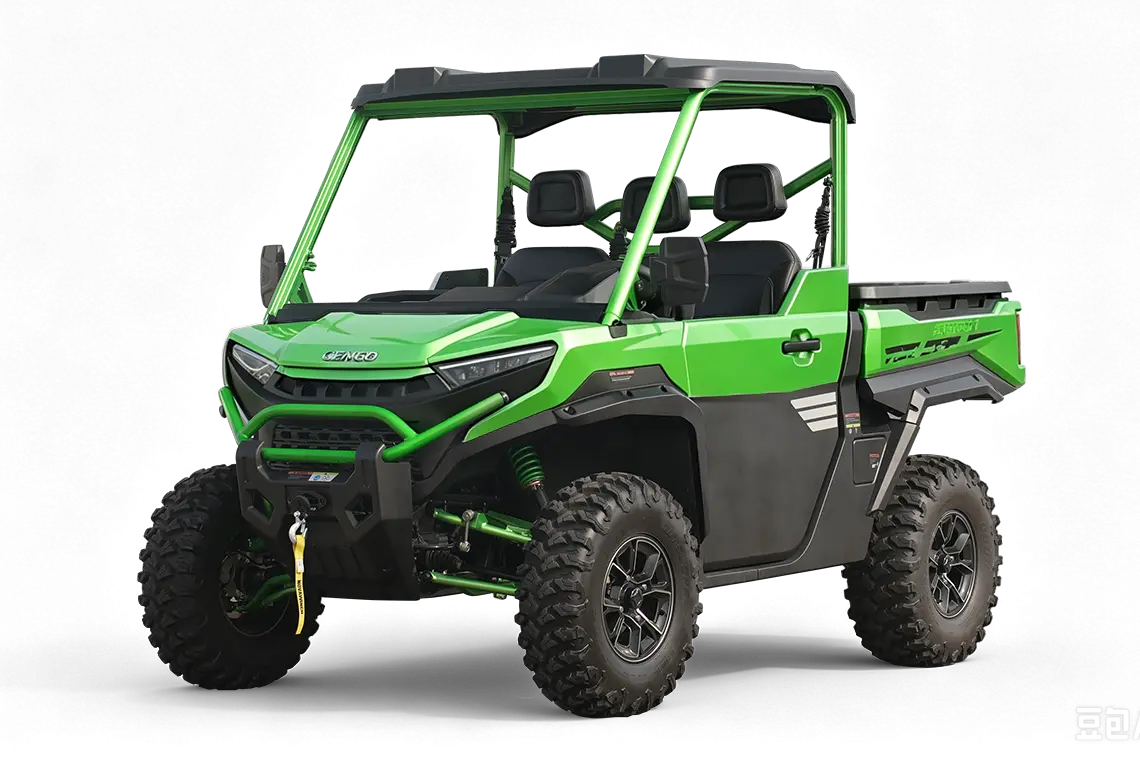
Different Functions of Utility Vehicles and Golf Carts
Electric utility vehicles and golf carts are designed for different purposes. Golf carts generally support passenger movement, while utility vehicles focus on carrying people, equipment, and materials. Their structures, functions, and available features influence how businesses use them in daily operations and service activities.
Golf carts are commonly associated with passenger transportation on golf courses and private properties. Their compact design allows convenient movement through managed areas. They provide practical mobility for guests, employees, and visitors who need comfortable transportation across relatively controlled routes with regular travel requirements.
Utility vehicles usually provide additional capability through stronger cargo functions and flexible layouts. For organizations managing large areas, these vehicles can support tasks involving equipment transportation, maintenance activities, and property services that require more than passenger movement. Their design supports practical work applications.
CENGO develops electric mobility products designed for different commercial requirements. Its vehicle solutions include utility models and golf cart options that help customers address transportation demands across recreational, hospitality, and industrial environments with practical configurations and useful features for various operating conditions.
Key Differences in Vehicle Applications
Electric utility vehicles and golf carts differ mainly in their intended roles. A golf cart emphasizes passenger transportation, while a utility vehicle provides broader support for work-related tasks. These differences affect how fleet operators plan vehicle deployment and organize daily transportation activities.
An electric UTV for golf course can provide additional versatility for course management teams. It may support maintenance operations, equipment movement, and other property tasks where standard passenger transportation cannot fully satisfy operational requirements. These capabilities make utility vehicles suitable for specialized applications.
Golf course managers often evaluate vehicle functions based on daily activities. Passenger capacity, cargo requirements, route conditions, and service tasks all influence whether a golf cart or utility vehicle is more suitable for their property. Proper evaluation helps improve transportation efficiency and service quality.
Resorts and hotels may require multiple vehicle types because guest transportation and facility operations involve different needs. Golf carts can assist visitors, while utility vehicles can support service teams handling equipment and routine property responsibilities. Both options contribute to organized property mobility.
Comparing Electric UTV and Golf Cart Performance
Industrial facilities and corporate campuses also consider vehicle capability when managing internal transportation. Utility-focused designs can help support movement of supplies and tools, while golf carts remain useful for passenger travel across organized areas. Each vehicle type serves specific operational purposes.
When comparing electric UTV for golf course solutions, buyers should review vehicle structure, available functions, and intended workload. The right choice depends on whether the primary requirement involves passenger comfort, cargo support, or combined transportation activities. Detailed evaluation helps avoid unsuitable investments.
Battery technology influences the performance of both utility vehicles and golf carts. Electric models provide quiet operation and support applications where businesses want efficient transportation options for hospitality areas, recreational facilities, and managed properties with regular passenger and service requirements.
Cargo capacity is one important difference between vehicle categories. Utility vehicles generally provide more support for carrying items, making them suitable for maintenance teams and operations requiring regular transportation of equipment around large properties. This function creates additional value for commercial users.
Electric UTV for Golf Course
Golf carts focus more on passenger experience and convenient movement. Their designs are often associated with comfort, accessibility, and simple transportation needs across golf facilities, resorts, and sightseeing locations where smooth travel is important. They remain practical for many passenger-focused environments.
CENGO offers electric vehicle solutions that include different configurations for commercial users. By providing suitable vehicle choices, we help businesses address varied transportation requirements while maintaining practical operation across multiple application environments and supporting different mobility needs across commercial markets.
Fleet operators should evaluate route conditions before purchasing vehicles. Factors such as travel distance, terrain, passenger requirements, and daily tasks can influence whether a golf cart or utility vehicle delivers better operational support. Careful planning helps organizations achieve better vehicle utilization.
Wholesale distributors and dealerships need product knowledge to serve different customers effectively. Recognizing the difference between vehicle categories helps them recommend suitable solutions for golf facilities, resorts and municipalities with varied transportation expectations and commercial requirements across regional markets.
Making the Right Vehicle Investment
Hospitality facilities, recreational properties, and public facilities often require vehicles that support both passenger transportation and daily operational needs. Golf carts are commonly used for visitor transportation, while electric utility vehicles provide additional support for maintenance, equipment transportation, and service activities. Understanding the difference helps facility managers choose the right mobility solution.
Specialized vehicles for golf course operations represent one area where dedicated designs can support property management needs. These solutions can help operators handle tasks that require both mobility and practical functionality across larger recreational spaces with greater flexibility for business operations.
Vehicle selection depends on matching features with business objectives. Organizations should consider seating arrangements, cargo needs, battery options, and application conditions when planning transportation investments for their facilities and service operations. A clear assessment supports effective fleet management decisions and future planning.
Conclusion
Electric utility vehicles and golf carts serve different purposes, but both provide valuable transportation solutions when selected based on specific operational needs. Understanding their differences helps businesses make informed fleet decisions and improve transportation efficiency across hospitality, recreation and other commercial sectors. We continue developing practical electric mobility solutions, including golf carts and utility vehicles, to support diverse customer requirements and address transportation challenges across different applications. CENGO provides flexible electric vehicle options designed to help businesses build reliable and efficient mobility solutions for their operations.
Post time: Sep-03-2026


