
Battery technology has become a major factor when companies invest in commercial mobility solutions. For buyers comparing lithium and lead-acid power systems, the decision affects vehicle performance, maintenance requirements, charging habits, and long-term ownership costs. This article explains key differences for 2026 purchasing decisions.
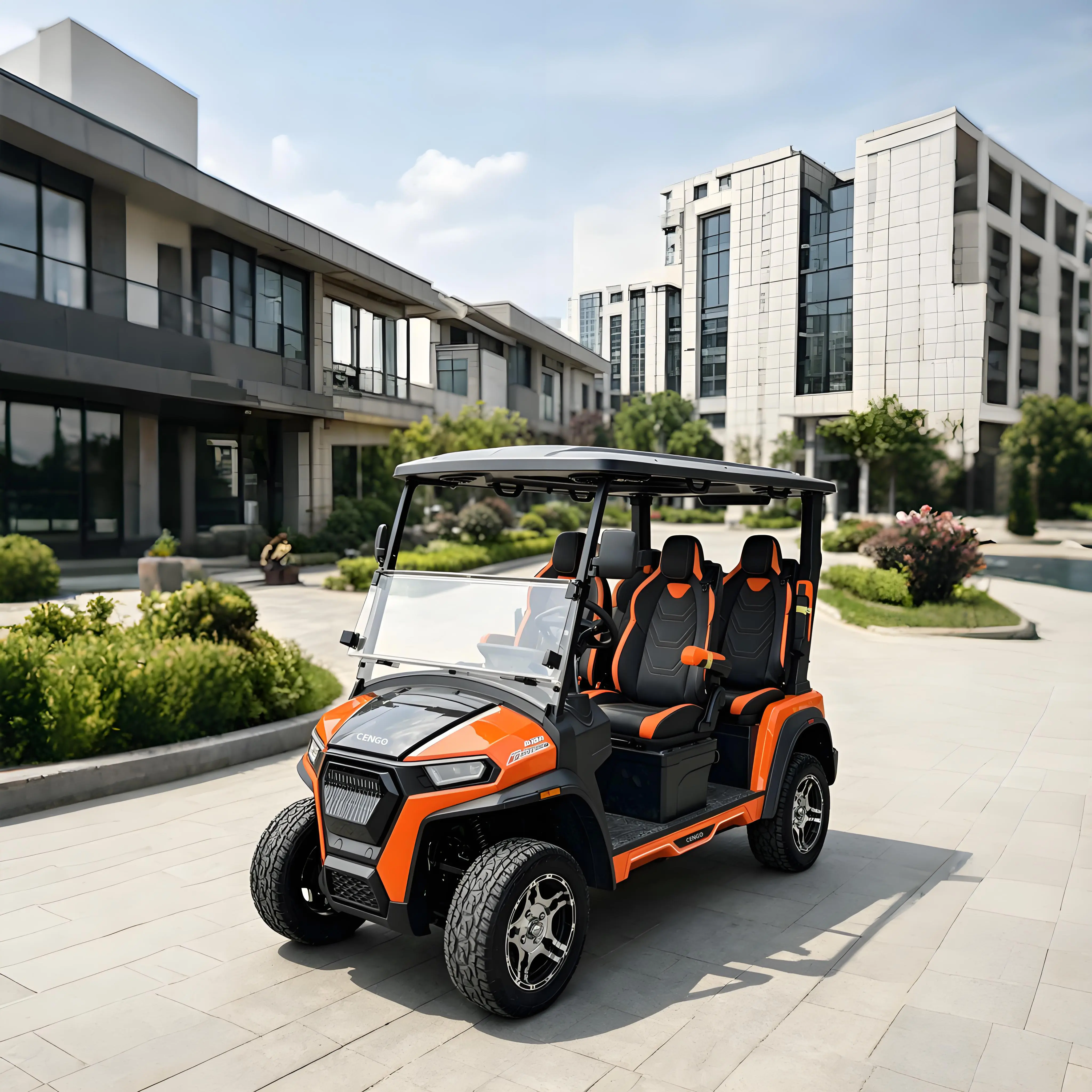
Battery Technology Differences Between Lithium And Lead-Acid Systems
Electric vehicles rely on battery systems to provide consistent energy for daily operations. Electric golf carts using lithium batteries and lead-acid batteries can deliver different experiences because each technology has unique characteristics related to energy storage, charging speed, weight, and overall vehicle efficiency.
Lead-acid batteries have remained common in electric vehicles because of their established technology and familiar maintenance process. Many commercial operators understand their charging requirements and replacement procedures, making them a practical option for businesses managing traditional transportation fleets.
Lithium batteries use advanced battery chemistry that allows more efficient energy storage compared with traditional lead-acid systems. CENGO offers lithium battery configurations on selected models, providing commercial users with another option when evaluating modern vehicle requirements and operational goals.
The main difference between these two battery types comes from energy management. Lithium batteries generally provide higher energy efficiency, while lead-acid batteries remain recognized for their straightforward usage approach. Buyers should compare these characteristics according to their expected vehicle workload.
Comparing Battery Life And Maintenance Requirements
Battery lifespan is one of the most important factors during fleet purchasing decisions. Commercial users need vehicles that can support repeated daily operations without creating excessive maintenance demands or frequent replacement cycles throughout the ownership period.
Lead-acid batteries usually require regular maintenance attention, including water level checks and proper charging practices. Operators must follow recommended procedures to maintain battery performance and reduce potential issues caused by improper usage or charging habits.
Lithium battery systems typically require less routine maintenance because they do not need the same level of servicing as traditional lead-acid options. For businesses operating multiple electric golf carts, reduced maintenance requirements may help simplify fleet management processes.
CENGO designs vehicles with different battery solutions to support various commercial needs. Fleet managers can review battery type, vehicle configuration, and operational conditions together to identify a suitable option for their specific transportation requirements.
Charging Efficiency And Daily Operation Comparison
Charging efficiency directly influences how businesses organize vehicle availability. Golf courses, resorts, and commercial facilities often depend on transportation vehicles throughout the day, making charging time and energy usage important factors during battery selection.
Lead-acid batteries generally require longer charging periods and careful charging management. Operators need suitable schedules to ensure vehicles are ready for planned activities, especially when fleets experience frequent daily use or high passenger demand.
Lithium batteries usually support faster charging performance and more flexible energy management. This advantage can benefit organizations requiring frequent vehicle operation because shorter charging periods may help improve overall fleet availability during working hours.
When evaluating electric golf carts, buyers should consider how charging patterns match their business activities. A property with continuous transportation needs may value efficient charging performance, while occasional users may focus more on purchase cost and simple maintenance procedures.
Cost Analysis For Commercial Battery Selection
Initial purchase price is an important consideration when comparing battery technologies. Lead-acid systems often provide a lower upfront investment, which can attract buyers with limited budgets or smaller transportation requirements.
However, total ownership cost includes more than the initial purchase. Battery replacement frequency, maintenance workload, charging efficiency, and operational downtime all contribute to the overall financial impact of a vehicle fleet over several years.
Lithium batteries may require higher initial investment but can provide advantages through reduced maintenance and longer service expectations. Commercial operators should evaluate long-term value instead of focusing only on the first purchase expense.
CENGO helps customers review different vehicle solutions based on their application requirements. By offering various configurations and battery choices, we support businesses seeking practical transportation options for different operating environments.
Choosing The Right Battery For 2026 Business Needs
The ideal battery choice depends on how vehicles will be used. Hotels, resorts and golf facilities may have different transportation patterns, making battery evaluation an important part of fleet planning.
Organizations with intensive daily vehicle usage may benefit from lithium technology because of charging convenience and reduced maintenance requirements. Businesses with lighter transportation demands may still find lead-acid systems suitable for their operational expectations.
Battery selection should also consider vehicle design, passenger capacity, terrain conditions, and charging infrastructure. A complete evaluation helps buyers create a balanced solution instead of focusing on only one technical feature.
CENGO provides electric mobility solutions designed for commercial applications, including different models and battery configurations. We work with customers to match vehicle options with practical business requirements and long-term transportation objectives.
Conclusion
Lithium and lead-acid batteries each offer different advantages for commercial mobility. The right decision depends on budget, operating frequency, maintenance preferences, and performance expectations. CENGO provides professional electric vehicle solutions with flexible configurations to help businesses select suitable transportation systems for 2026 and beyond.
Post time: Sep-03-2026


