
Short-distance transportation plays an important role in many commercial environments. Hotels need to move guests between different areas, communities require convenient internal transport, and tourism projects often need flexible mobility solutions. As property layouts become larger, businesses are paying more attention to vehicles that can support daily movement with comfortable operation and practical functions.
At CENGO, we focus on developing transportation solutions that match different application requirements. The growing use of electric golf carts shows that these vehicles are no longer limited to golf courses. They are now being considered for resorts, campuses, farms, airports, and other locations where short-distance transportation is needed.
Beyond Golf Courses: New Applications of Electric Mobility
Golf courses were one of the earliest environments where small electric vehicles became widely used. However, commercial demand has changed as more industries require simple and convenient ways to move people and equipment within private areas.
For example, resorts may use vehicles to provide guest shuttle services between buildings. Residential communities may need internal transportation for residents and property teams. Outdoor attractions can use these vehicles to improve visitor movement across large spaces. These different applications show how mobility requirements are becoming more diverse.
Businesses usually need to consider the actual operating environment before selecting a vehicle. Passenger numbers, travel distance, road conditions, and usage frequency can influence the suitable configuration. A vehicle designed for tourism projects may focus on passenger comfort, while one used in agricultural areas may need to support different outdoor conditions.
Improving Passenger Experience Through Practical Vehicle Design
Vehicle design has become an important part of commercial transportation planning. A suitable design should not only support movement but also create a comfortable experience for passengers and operators during daily use.
Small details can influence how a vehicle performs in different situations. Weather conditions may change during outdoor operation, so flexible protection features can provide additional convenience. Storage space is also useful because service teams or passengers may need to carry personal items during transportation.
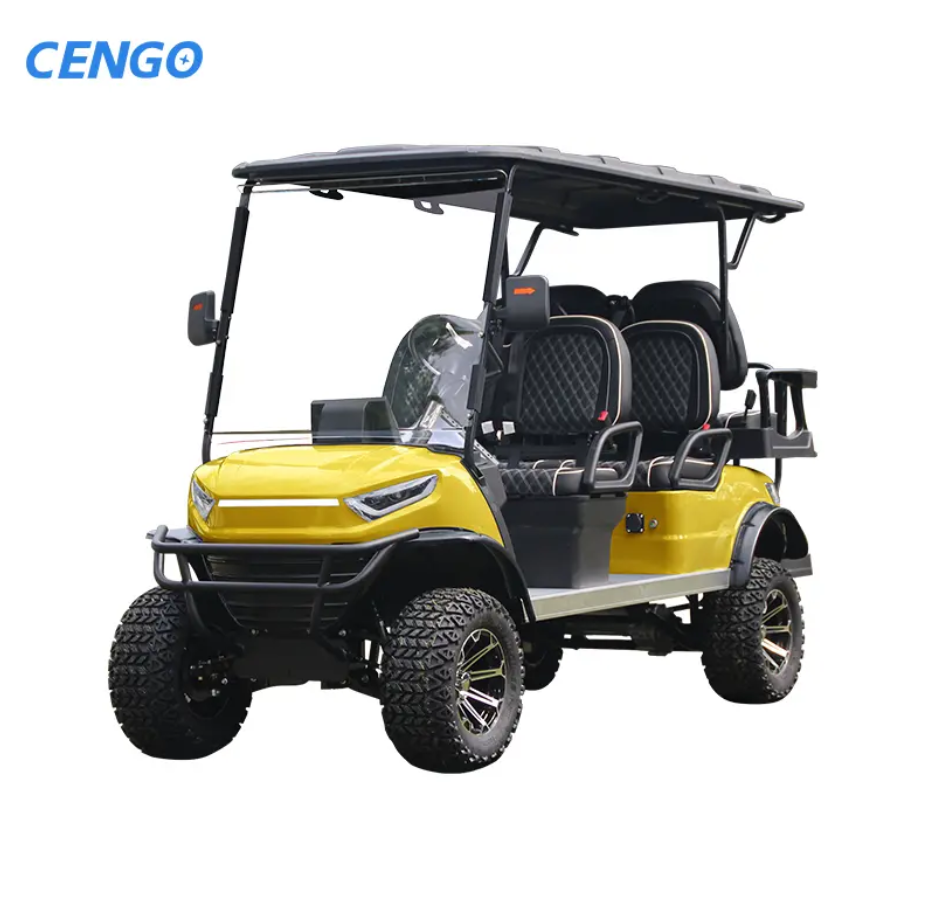
Our NL-JZ4+2G model includes a 2-section folding front windshield that can be opened or folded according to different needs. The fashionable storage compartment provides additional space for small items such as smartphones. These design elements are developed around common usage situations in commercial environments.
Appearance is another factor considered by many business customers. Hotels, tourism companies, and property operators often want vehicles that match the surrounding environment. A suitable body design can support both practical transportation and visual consistency within a project.
Adapting Vehicles to Different Working Environments
Commercial transportation does not always take place on flat roads. Outdoor projects, farms, and large properties may include slopes, uneven paths, or longer travel routes. In these situations, vehicle stability becomes an important consideration.
The driving system affects how a vehicle responds during daily operation. Businesses should review route conditions and working requirements before selecting suitable configurations. Different applications may require different levels of power support and handling performance.
The NL-JZ4+2G is equipped with a 48V KDS Motor, which supports stable driving performance when operating on slopes or outdoor routes. This type of configuration helps the vehicle adapt to practical working environments where consistent movement is needed.
Battery selection is also related to daily operation planning. Different users may have different preferences depending on maintenance requirements and working schedules. The model supports both lead acid battery and lithium battery options, allowing customers to select a suitable solution based on project conditions.
Why Flexible Solutions Matter for Future Mobility Projects
Commercial customers often manage different markets and application scenarios. A standard vehicle may not always meet the requirements of every project, especially when businesses have different expectations for appearance, configuration, or usage purposes.
Customization provides more options for distributors and project operators. For example, tourism businesses may prefer designs that fit local environments, while communities may need configurations that match their transportation plans.
We continue developing new vehicle designs based on customer feedback and market needs. CENGO introduces two new body styles every year and provides private mould development options for customers who require differentiated solutions. This approach helps partners create vehicles that are suitable for their target applications.
Conclusion
The future of short-distance transportation will depend on how well vehicles match real business requirements. Companies need to consider passenger demand, working environments, maintenance plans, and service support before making purchasing decisions.
As more industries adopt flexible transportation methods, electric golf carts will continue to support different commercial applications beyond traditional golf environments. These vehicles can help connect spaces within resorts, communities, campuses, and outdoor projects where convenient movement is needed.
CENGO focuses on golf carts and other electric vehicle solutions for global B2B customers. With production capability, customization support, and experience in commercial mobility applications, we provide practical vehicle options for distributors, golf courses, and project operators. The development of electric golf carts reflects the changing needs of modern transportation, and we continue working on solutions that fit different business environments.
Post time: Jul-11-2026


