
Before purchasing a battery solution for fleet operations, buyers need to review vehicle design, charging needs, and daily usage patterns. Commercial sites require dependable mobility tools, and lithium options can support electric golf carts with efficient charging and flexible configurations for different property applications.
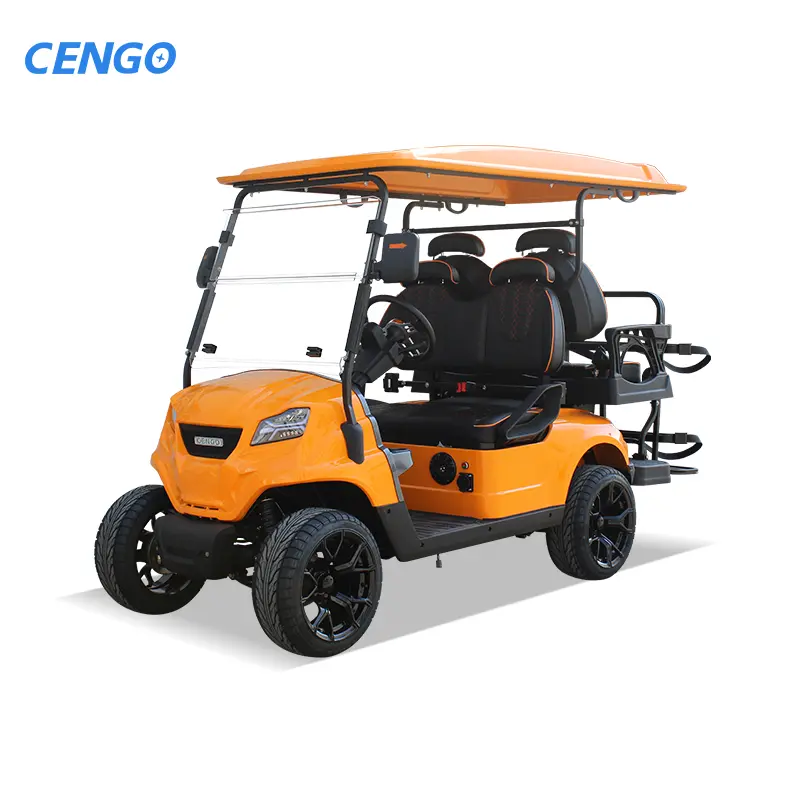
Electric Golf Carts Need Battery Planning
Battery selection affects how commercial vehicles perform across resorts, hotels, golf facilities, and campuses. Buyers should review available power options because many models offer lead-acid battery and lithium battery choices. Proper planning helps align vehicle capability with operational requirements and service expectations.
Fleet managers prioritize charging efficiency, as vehicle availability directly impacts daily schedules. For businesses with extensive transportation networks, minimizing downtime is critical. Solutions that deliver rapid, reliable charging—such as those exemplified by CENGO’s battery technology—help ensure fleets remain productive and on the move.
A battery decision should include vehicle layout, passenger needs, and route conditions. Electric golf carts are available in multiple configurations, including models designed for professional golf use and community transportation with different capacity requirements.
Reviewing Performance Requirements Before Purchase
Lithium battery availability is only one part of a complete vehicle assessment. Buyers should examine motor performance, charging convenience, and intended applications before finalizing orders. CENGO products include models with 48V KDS motors designed for stable performance when traveling uphill.
For golf course operators, vehicle reliability supports smooth movement between locations. Professional models are designed with practical features such as folding front windshields and storage areas, helping staff manage equipment and personal items during regular operations.
Resorts may require vehicles that balance comfort and efficiency. Sightseeing vehicles and passenger models provide options for transporting guests, while design choices support easier movement through hospitality environments and public spaces.
Battery Options And Fleet Management
Battery selection plays an important role in effective fleet management because it directly influences vehicle availability, charging schedules, and daily operational efficiency. For commercial users managing multiple electric golf carts, choosing the right battery configuration helps ensure vehicles can complete required routes while supporting consistent transportation services.
Lithium battery systems can provide advantages such as faster charging capabilities, longer service life, and reduced maintenance requirements compared with traditional battery options. These factors allow fleet managers to better organize vehicle usage, minimize charging interruptions, and improve overall fleet reliability across applications such as resorts, golf courses, campuses, and public facilities.
When planning a fleet, buyers should evaluate battery capacity alongside vehicle quantity, passenger requirements, travel distances, and operating conditions. A properly matched battery solution helps prevent issues such as insufficient range during peak periods or unnecessary charging downtime, allowing businesses to maintain smoother daily operations.
For distributors and commercial operators, understanding the relationship between battery performance and fleet requirements is also essential when selecting vehicle models. Different applications may require different configurations, including two-seater, four-seater, six-seater, sightseeing, or utility vehicles, each with battery specifications suited to their intended workload.
By considering battery technology as part of the overall fleet strategy rather than as a separate component, organizations can make more informed purchasing decisions and build transportation systems that support long-term operational goals.
Features That Support Commercial Applications
Beyond battery type, vehicle features contribute to long-term value for buyers. LED lighting can support usability and appearance requirements for commercial properties with specific operational goals.
CENGO develops electric vehicles with design elements focused on performance, comfort, and durability. Buyers can review product structures and available configurations to determine whether specific models match their fleet expectations and working conditions.
Maintenance planning is another important factor for commercial users. Efficient charging, accessible features, and suitable vehicle specifications can help organizations manage daily operations while reducing disruptions caused by unsuitable transportation equipment.
A complete evaluation process includes reviewing passenger capacity, storage requirements, and driving environments. Managers from resorts and campuses can compare models to identify solutions that fit their transportation patterns and business activities.
Making An Informed Fleet Investment
Battery decisions should connect with broader fleet strategies rather than focusing on one component alone. Buyers benefit from reviewing vehicle applications, available configurations, and operational goals before investing in transportation equipment.
The right approach considers current demands and future expansion plans. Golf facilities, resort operators, and commercial campuses may require adaptable vehicles that support different passenger volumes, routes, and service activities over time.
For businesses with specialized operational needs, off-the-shelf solutions often fall short—customization becomes a decisive factor in purchasing. Whether it’s resort transport or campus shuttles, the vehicle configuration must align with the specific use case. CENGO addresses this by offering tailored golf cart solutions across multiple styles and application categories, ensuring each fleet matches its intended commercial role.
Careful research helps buyers reduce uncertainty during procurement. Reviewing specifications, battery options, and practical features allows organizations to select vehicles that align with their operational priorities and customer expectations.
A successful fleet purchase depends on matching equipment capabilities with real workplace requirements. Buyers should evaluate charging efficiency, vehicle design, and application needs before committing resources to new transportation assets.
CENGO supplies electric golf cart solutions with customizable options and manufacturing experience for commercial users seeking suitable mobility products. Our company supports businesses through vehicle choices that address diverse applications, from golf courses and resorts to sightseeing environments.
Conclusion
Choosing a lithium golf cart battery requires attention to operational needs, vehicle features, and charging expectations. CENGO provides electric vehicle products that combine practical designs, multiple configurations, and business-focused solutions for organizations managing commercial transportation requirements.
Post time: Sep-03-2026


