
Choosing the right vehicle size is an important step for businesses that plan to use electric vehicles for daily transportation. Different applications have different requirements for seating capacity, driving distance, cargo space, and working conditions. A golf course may need comfortable passenger transport, while a farm or resort may need more flexible space for equipment and staff movement.
When we select an electric patrol vehicle for commercial projects, we focus on matching the vehicle size with the actual working environment. A suitable size can improve operation efficiency and reduce unnecessary costs caused by unsuitable configurations. In this article, we will explain the key factors that help businesses choose the right electric utility vehicle size for their specific needs.
Understand Your Main Usage Scenario Before Choosing Size
The first step is identifying where the vehicle will operate. Different locations create different transportation demands. Golf courses usually need vehicles that can move smoothly across large outdoor areas while carrying passengers comfortably. Hotels and tourist attractions often require frequent short-distance transfers for guests and staff.
For farms, communities, and industrial areas, the vehicle may need to carry tools, materials, or workers. In these situations, buyers should consider both passenger space and practical storage requirements. A vehicle that is too small may limit daily operations, while a larger model than necessary may increase management costs.
For security inspection and property management tasks, an electric patrol vehicle needs to balance mobility and working capacity. Compact dimensions can help vehicles move through narrow areas, while enough space allows operators to complete regular patrol tasks efficiently.
At CENGO, we understand that commercial users have different expectations based on their industries. Our vehicle solutions are designed around real application needs, helping customers select suitable configurations for different working environments.
Match Vehicle Size with Passenger and Load Requirements
Passenger capacity is one of the most direct factors affecting vehicle selection. Businesses should estimate the average number of passengers during normal operation instead of only considering occasional peak demand. This approach helps create a more practical fleet plan.
For example, a golf club transporting players between different areas may need comfortable seating and smooth driving performance. A hotel shuttle service may pay more attention to passenger experience and appearance. A community transportation vehicle may focus on frequent daily operation and easy maintenance.
Load requirements are also important. Some commercial users need vehicles for carrying cleaning tools, maintenance equipment, or agricultural supplies. The available space should support daily tasks without affecting driving stability and comfort.
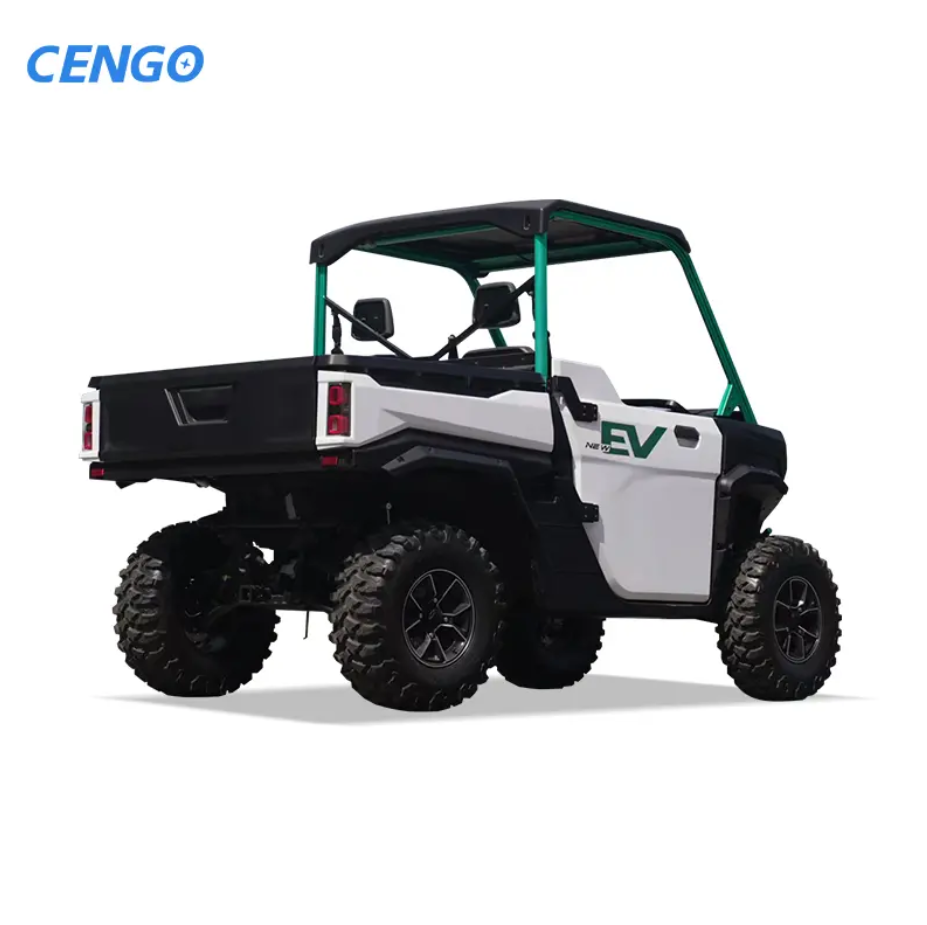
When developing our models, we consider these different requirements. The NL-F12 features totally new front and rear body designs, creating a modern appearance while supporting commercial applications. Its structure is designed for users who need a practical vehicle with both visual appeal and daily usability.
Consider Driving Conditions and Performance Needs
Vehicle size should also match the environment where it will be used. Outdoor applications often include slopes, uneven roads, and long operating routes. In these conditions, power performance and suspension design influence the overall driving experience.
A vehicle with suitable power can provide more stable performance during uphill driving or frequent transportation tasks. The NL-F12 is equipped with a high-performance 48V KDS Motor, which helps maintain stable and powerful operation when driving on slopes or outdoor roads.
Comfort is another factor that businesses should not overlook. Drivers and passengers may spend many hours inside the vehicle during daily operations. Reducing vibration and improving driving stability can support a better user experience.
To improve driving comfort, our NL-F12 uses spiral damping springs to reduce vibration and shocks. This design helps make the vehicle more suitable for repeated transportation work in outdoor environments such as resorts, communities, and recreational areas.
Consider Charging Efficiency and Long-Term Operation
Battery performance and charging efficiency influence how often a vehicle can be used during the day. For businesses with continuous transportation needs, reducing downtime is an important part of fleet planning.
A suitable vehicle size should work together with efficient energy management. A larger vehicle may provide more space, but it also requires careful consideration of operating frequency and charging arrangements. Businesses should evaluate daily routes, working hours, and available charging facilities before making a decision.
Lighting systems are another practical feature for outdoor transportation. Vehicles used in tourism areas, campuses, or industrial locations may operate in different lighting conditions. Reliable illumination helps support safer operation during early mornings or evenings.
The NL-F12 applies smart LED cold illumination lights to provide sufficient brightness for commercial use. Combined with practical size design and performance features, it supports different outdoor transportation scenarios where businesses require dependable daily operation.
Choose a Size That Supports Future Business Growth
When purchasing electric vehicles, businesses should consider both current needs and future development. A vehicle that fits today’s operation but lacks flexibility may create challenges when service requirements increase.
Distributors and commercial operators should also pay attention to product appearance, delivery schedule, and customization options. These factors can influence customer satisfaction and project planning. A flexible supplier relationship can help businesses respond to different market requirements.
For companies selecting an electric patrol vehicle, the final decision should be based on application details rather than simple size comparison. Passenger numbers, working areas, terrain conditions, and operation frequency all contribute to choosing the right model.
At CENGO, we continue improving our electric vehicles through updated designs and practical features. Our vehicles support various commercial scenarios, including golf courses, hotels, airports, communities, farms, and outdoor recreation projects.
Conclusion
Choosing the right electric utility vehicle size requires a clear understanding of daily operation needs. The ideal choice depends on how many people need transportation, what equipment needs to be carried, where the vehicle operates, and how frequently it will be used.
A thoughtful selection process helps businesses create efficient transportation systems while improving passenger comfort and operational convenience. With proper planning, electric vehicles can become a valuable part of commercial transportation solutions.
Whether used for passenger transfer, patrol tasks, or outdoor mobility, an electric patrol vehicle should provide a balance between size, performance, and application requirements. CENGO is a manufacturer specializing in golf cars and electric vehicles, offering customized solutions, reliable production support, and commercial vehicle options for distributors, golf courses, resorts, farms, and other business applications.
Post time: Jul-20-2026


